What's Current in
Climate Change
Featuring research and hands-on efforts around climate change
Image

Photo Credit
Matt Perko
Iris Holzer's expertise in enhanced rock weathering and soil carbon storage makes her a shoe-in to help lead the IPCC methodology report.
UCSB professor to lead IPCC methodology report on carbon capture, storage and utilization
Image

Photo Credit
halbergman via iStock
While reducing demand is important, most successful cases of groundwater recovery also involve moving huge amounts of water to meet demand.

Image

Photo Credit
Matt Perko
Tiffany Chung with her hand-embroidered maps in “Tiffany Chung: indelible traces” at UC Santa Barbara’s Art, Design & Architecture Museum.

Image
Photo Credit
Divina Cox
Image

Political scientists Matto Mildenberger (left) and Neil Narang
Image

Photo Credit
SHansche via iStock
Curtailing overconsumption may be the easiest target for reducing the societal and environmental impacts of climate change.
Image
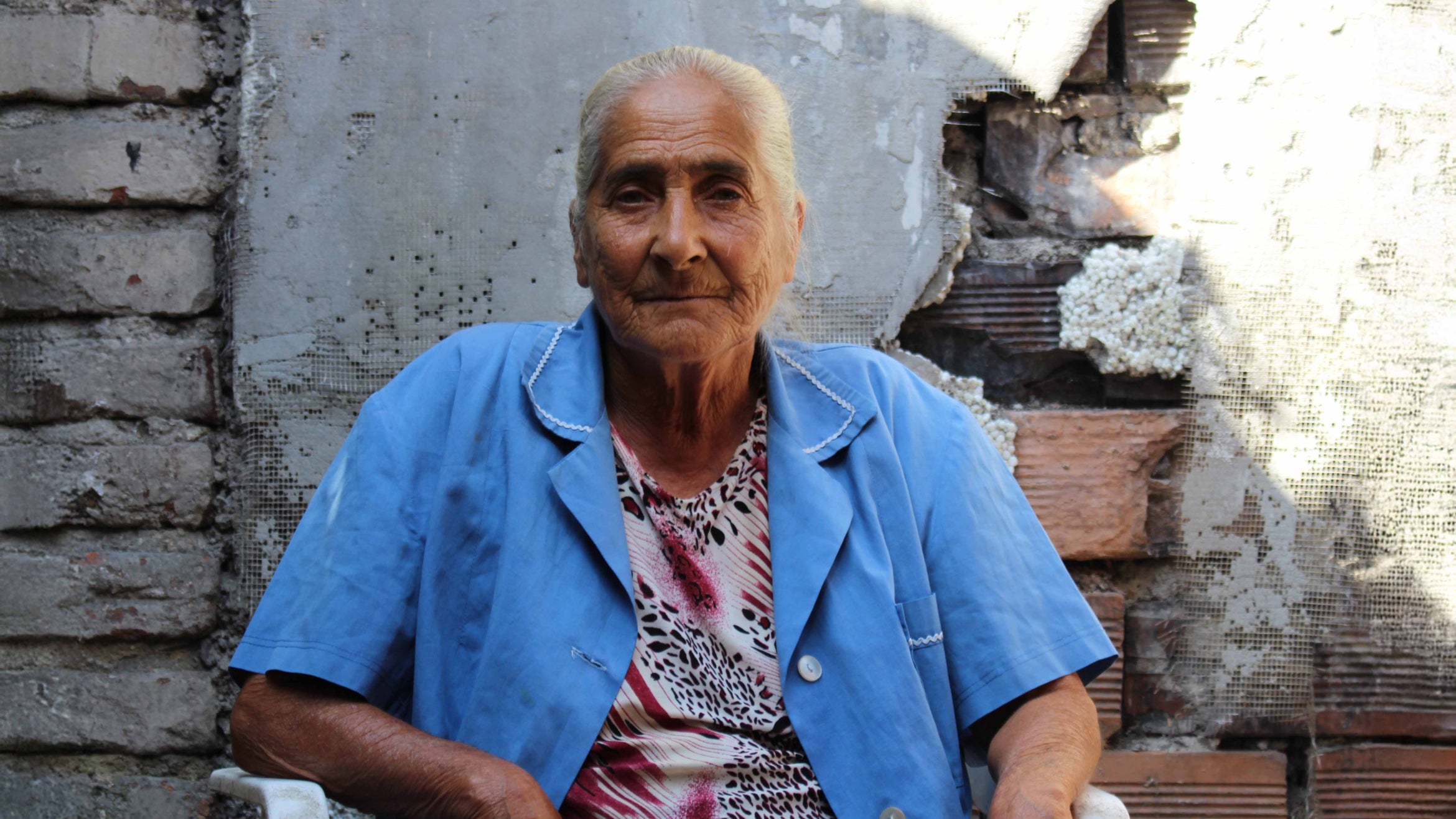
Photo Credit
Elana Resnick
Baka, a waste collector, at home.
Image
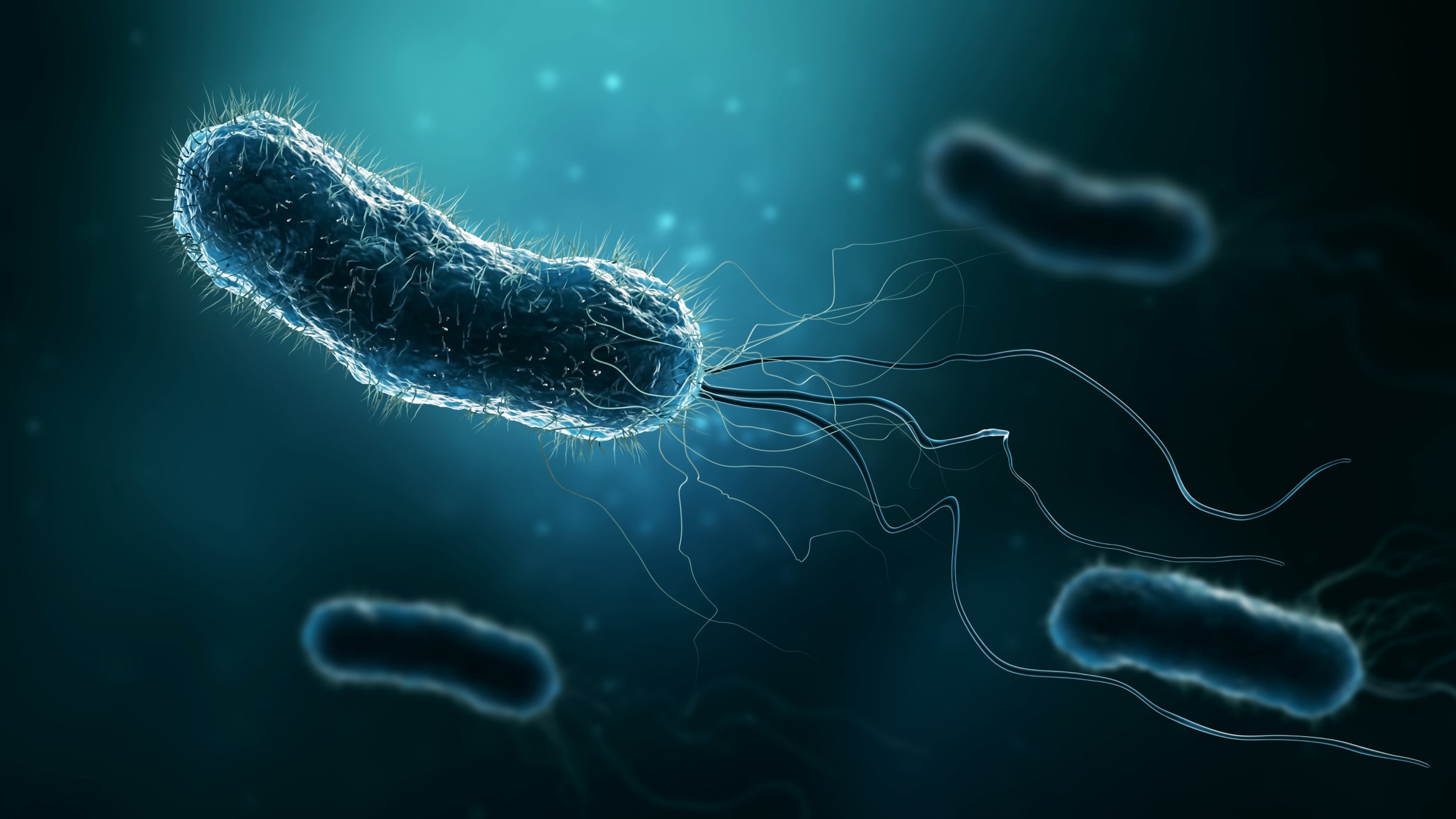
Microbes are responsible for much of carbon sequestration in the ocean
Image
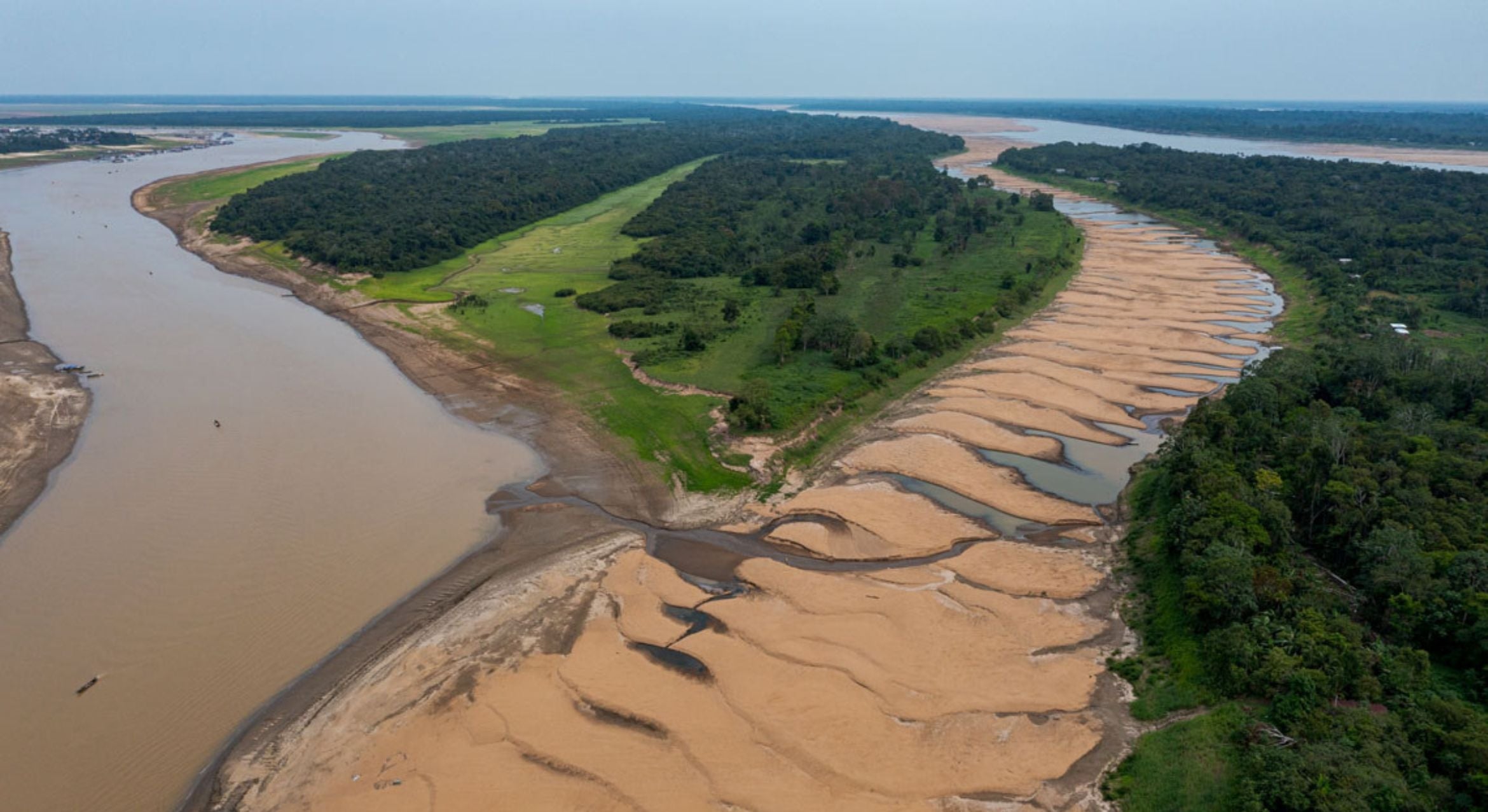
Photo Credit
Miguel Monteiro
Severe drought and heat in the central amazon turned Lake Tefé into a shallow spa, killing fish and endangered river dolphins.
Image
Photo Credit
iStock
Image
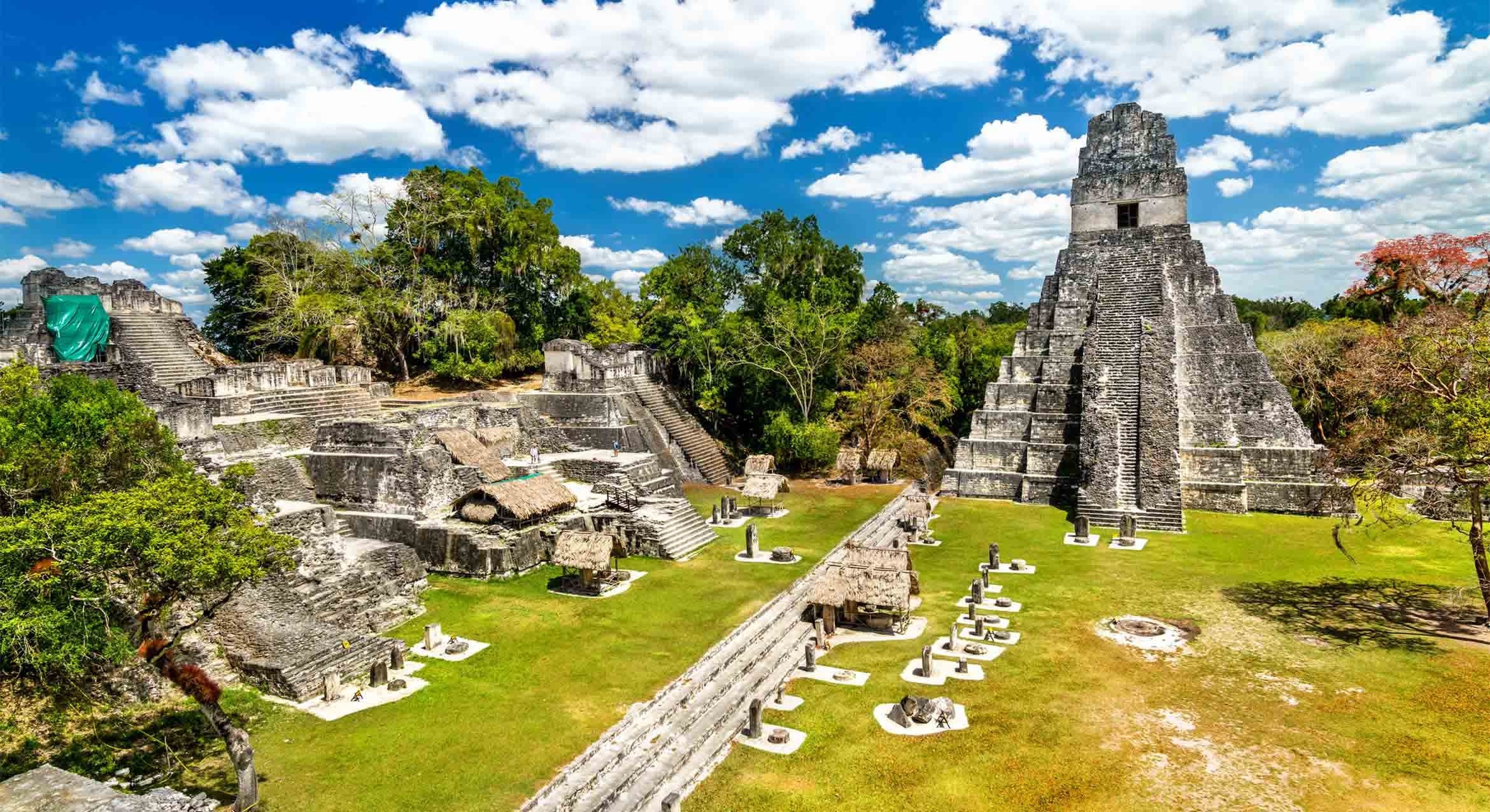
Photo Credit
iStock / Leonid Andronov
Tikal, in Guatemala, is among the major sites of the Classic Mayan civilization.