What's Current in
Anthropology + Archaeology

Image

Photo Credit
Michael Gurven; iStock
Though separated by an ocean for millennia, the rural Tsimané of lowland Bolivia, left, and Hadza people of Tanzania, right, share a remarkable number of gut microbiome species, many of which have disappeared from the microbiomes of people in urbanized societies
Image
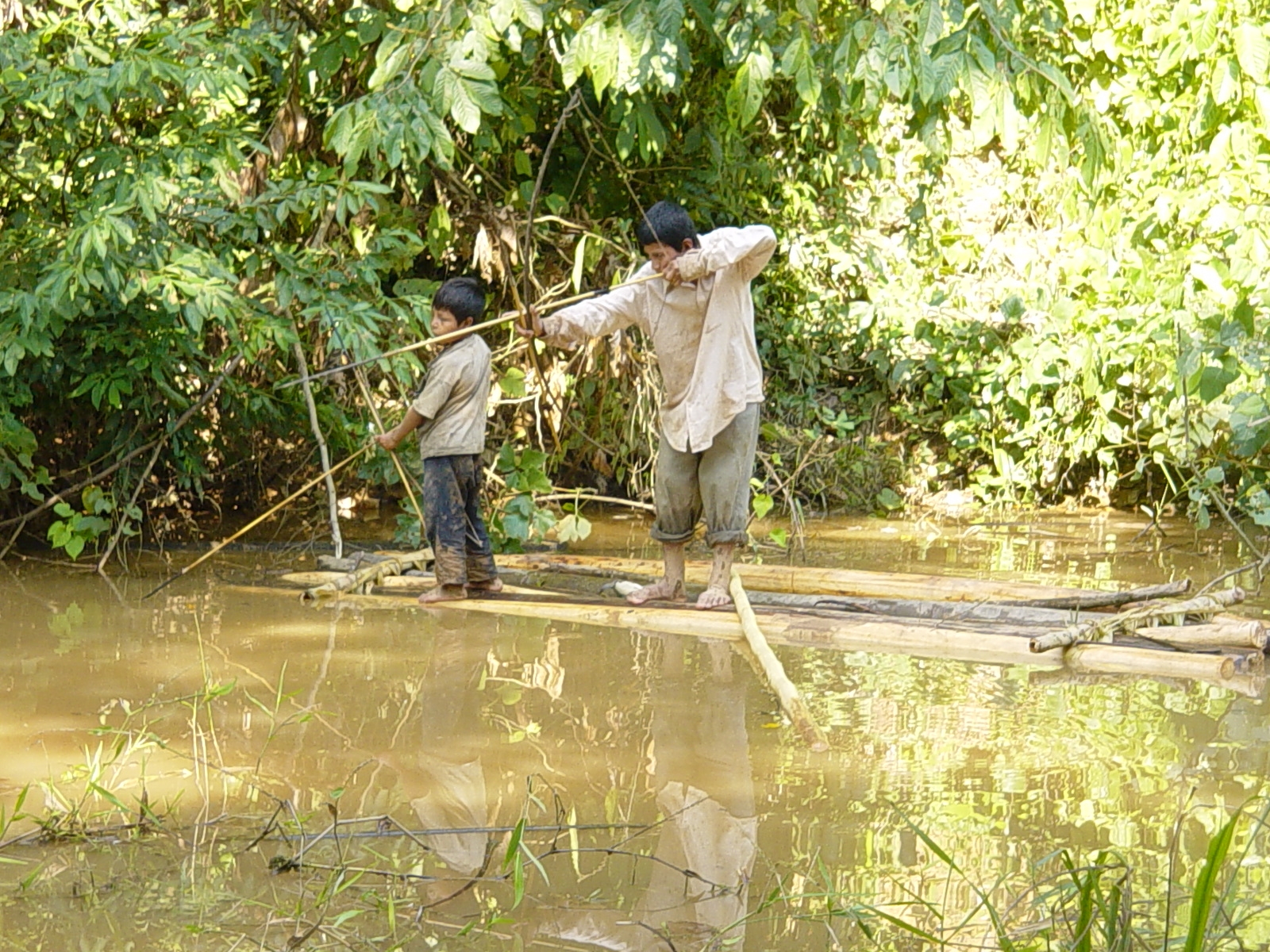
Photo Credit
Michael Gurven
Compared to industrialized counterparts Tsimané people of lowland Bolivia have less food availability and must expend more effort to get it
Image

Photo Credit
Michel Chaplin
A mother and child in Bangladesh, where UCSB anthropologist Kathrine Starkweather conducted field research.
Image

Photo Credit
Michael Gurven
A health educator conveys information about COVID-19 transmission to members of Bolivia's Tsimané population
Image

Photo Credit
Oscar Gutierrez Zozulia via iStock
The Mapuche are Chile’s largest Indigenous group, having retained independence form the Spanish empire for centuries.

Image

Photo Credit
Doc Searles/ CC BY-SA 2.0
The rock art of the Chumash people, the original inhabitants of what are now Santa Barbara, Ventura, San Luis Obispo, Los Angeles and Kern counties
Image
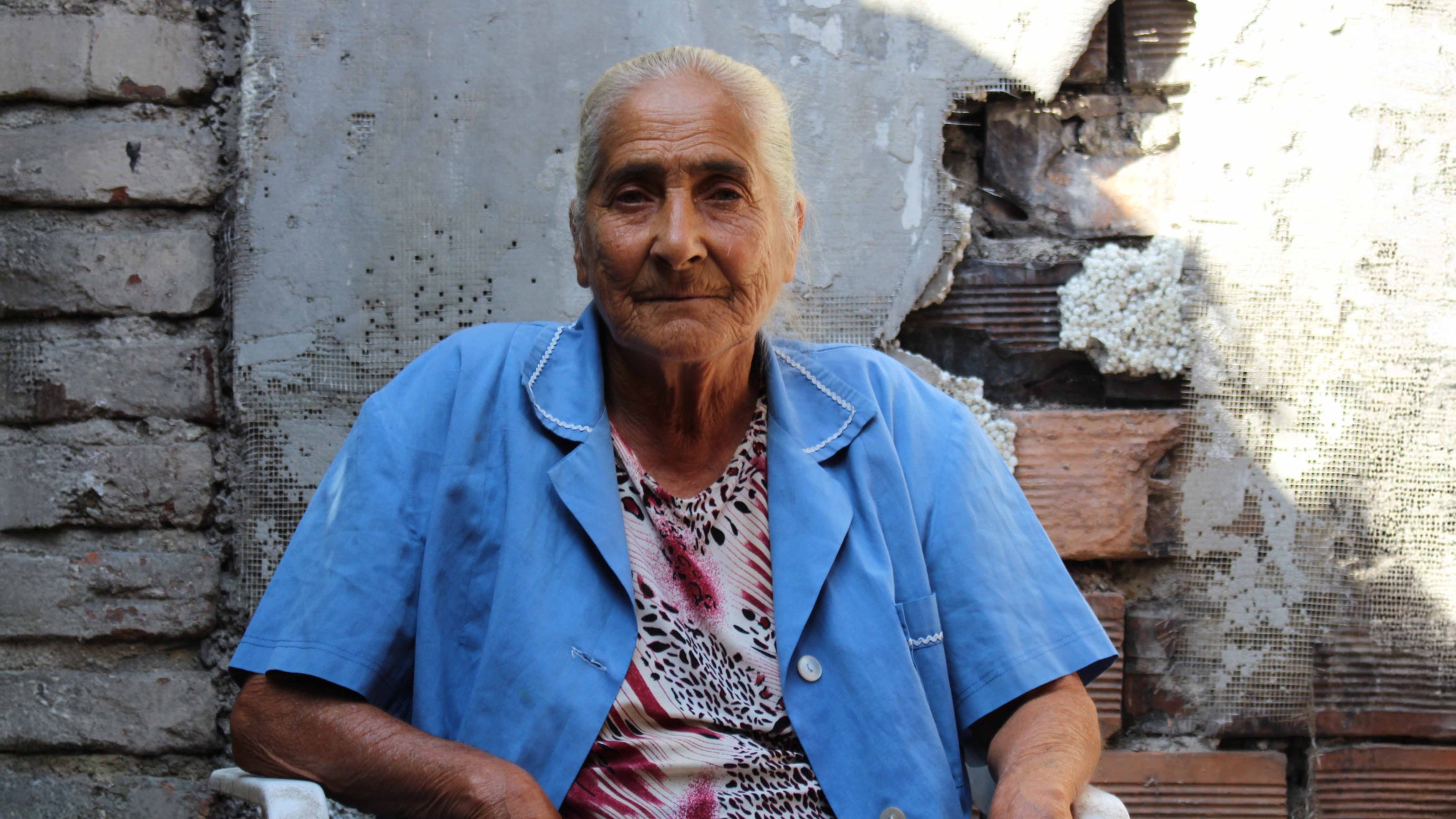
Photo Credit
Elana Resnick
Baka, a waste collector, at home.
Image

Photo Credit
Wiesla-Wikimedia Commons - CC BY-SA 4.0
The Turkana are nomadic pastoralists who live in Kenya
Image
Photo Credit
Courtesy Image
Image
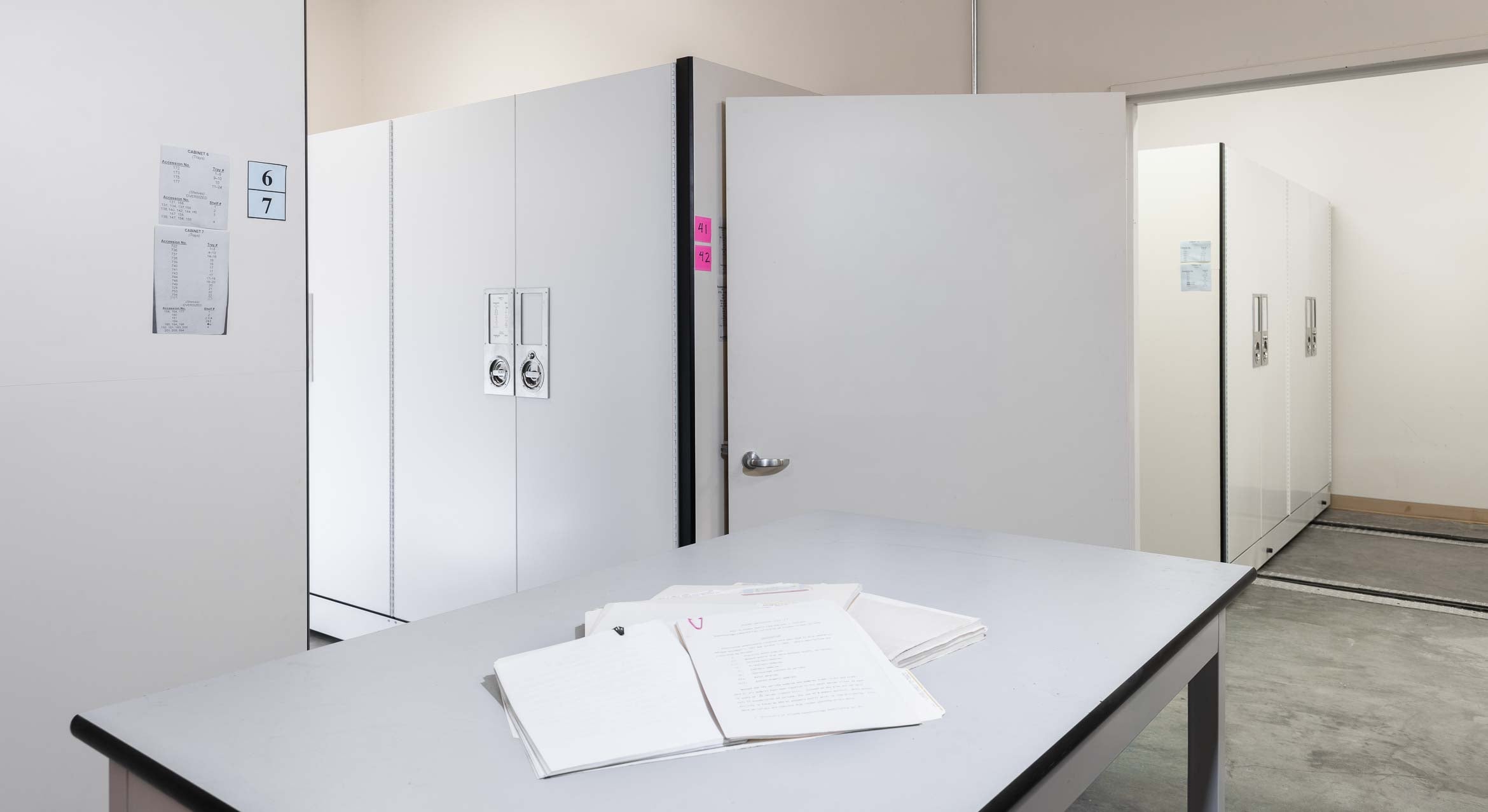
Photo Credit
Matt Perko
UCSB’s repository houses collections for research and storage; access to Native American materials requires tribal permission.