What's Current in
Earth Science
Image

Photo Credit
MaYcaL via iStock
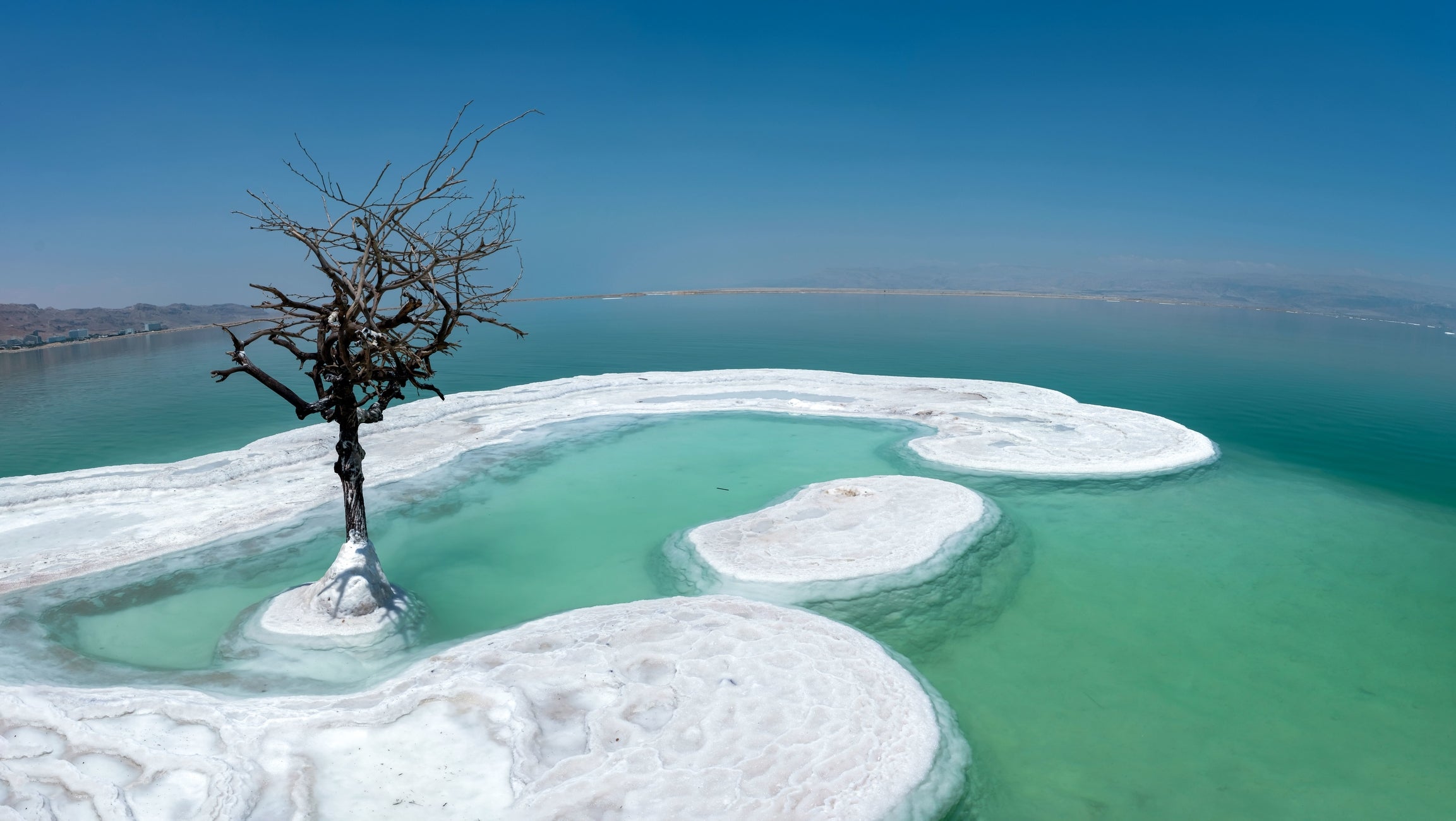
Synthetic fertilizer has increased the amount of nitrogen compounds in the biosphere, compounds that must be converted by microbes back into nitrogen gas.
A rare atomic fingerprint reveals how ecosystems clean nitrogen pollution
Image

Photo Credit
Courtesy Image
Megalorchestia corniculata, one of six major species of sand hoppers in California
Image

Photo Credit
iStock

Image

Photo Credit
Oporkka via iStock
Climate dynamics can be quite nuanced, with far off winds influencing tropical oceans.

Image

Photo Credit
Matt Perko
Image
Photo Credit
NASA
Image

Photo Credit
J. Morin/ NOAA
Much of the organic carbon sinking into the deep ocean is carried by tiny organic particles known as marine snow.
Image

Photo Credit
Maksim Safaniuk via iStock
Anna Trugman researches how plants respond to climate change, while Gen Li studies erosion and weathering — the natural processes that break down rocks and transport sediment.
Image

Photo Credit
Elena Zhukova
There’s a cacophony of acoustic signals below the range of human hearing, many quite intense, that you can pick up with the right “ears.”
Image

Photo Credit
Sergey Kuznetsov via iStock
Rivers wash mountains to the sea. How quickly they do this has major implications for natural hazards and fundamental Earth science.