What's Current in
Disaster Management
Understanding disasters in advance so we can be prepared in the moment. Our research explores the human, environmental and economic impacts of disasters, enabling us to proactively prevent–and reactively recover–from emergencies.
Image

Photo Credit
Annie Spratt via Unsplash
Rain forecasts and drought warnings can save lives in regions like Sierra Leone, where subsistence farming is still a major part of society.
New rainfall dataset enhances global monitoring of extreme weather


Image

Photo Credit
halbergman via iStock
While reducing demand is important, most successful cases of groundwater recovery also involve moving huge amounts of water to meet demand.
Image
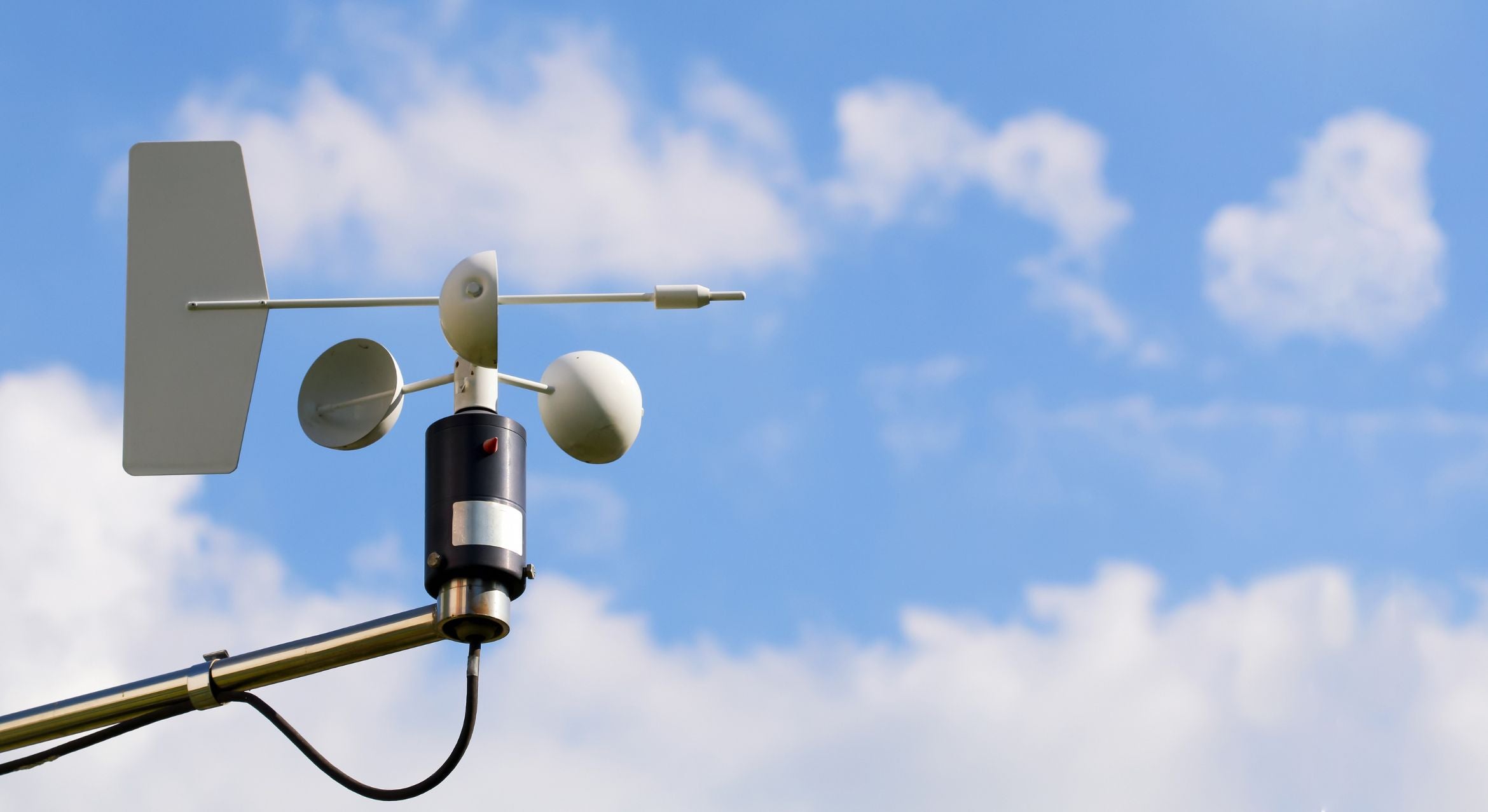
Photo Credit
Pixfly via iStock
3D printed instrumentation means that national meteorological services in Africa can take full ownership of their networks, building, repairing and sustaining them independently.
Image

Photo Credit
SHansche via iStock
Curtailing overconsumption may be the easiest target for reducing the societal and environmental impacts of climate change.
Image

Photo Credit
Pierivb via iStock
Addressing world hunger requires an accurate account of those in need.
Image

Photo Credit
Maksim Safaniuk via iStock
Anna Trugman researches how plants respond to climate change, while Gen Li studies erosion and weathering — the natural processes that break down rocks and transport sediment.
Image
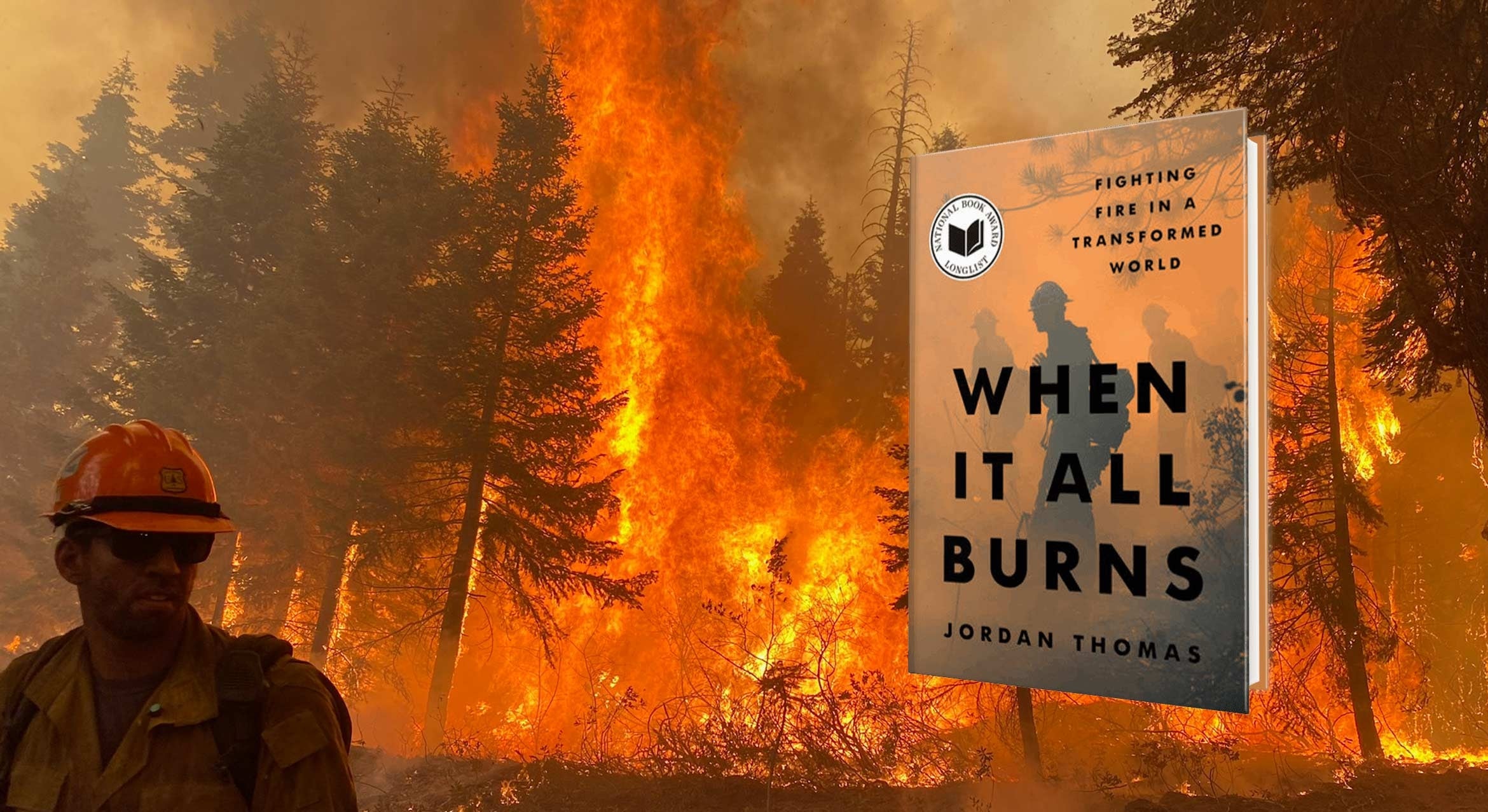
Photo Credit
Jordan Thomas/ Penguin Publishing Group
Centuries of misguided policy, politics and prejudice have primed the land for the unprecedented infernos that wildland firefighters now face every year.
Image

Photo Credit
iStock
Image

Photo Credit
Sergey Kuznetsov via iStock
Rivers wash mountains to the sea. How quickly they do this has major implications for natural hazards and fundamental Earth science.
Image
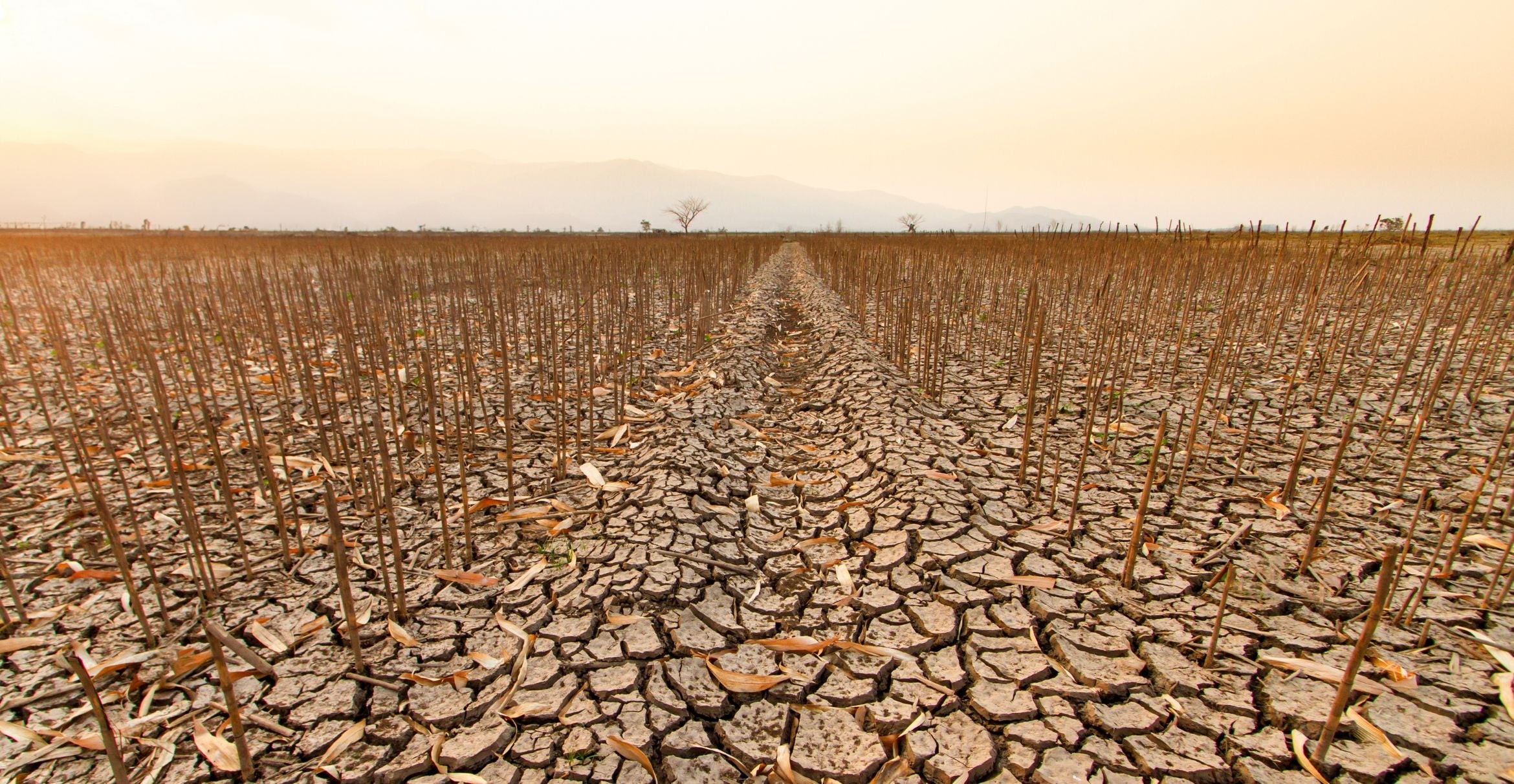
Photo Credit
piyaset via iStock
Warmer air can suck more moisture in dry regions and dump more rain in wet regions. New research reveals that the atmosphere’s drying capacity is outpacing increases to rainfall.