What's Current in
Science + Technology
Image

Photo Credit
MaYcaL via iStock
Synthetic fertilizer has increased the amount of nitrogen compounds in the biosphere, compounds that must be converted by microbes back into nitrogen gas.
A rare atomic fingerprint reveals how ecosystems clean nitrogen pollution
Image

Photo Credit
Courtesy of NPS
Image

Photo Credit
Alice Kitterman/U.S. National Science Foundation


Image

Photo Credit
Alexandra Phillips
The sulfate poor waters of Lake Superior could provide insights on the biochemistry of Earth's early ocean.
Image
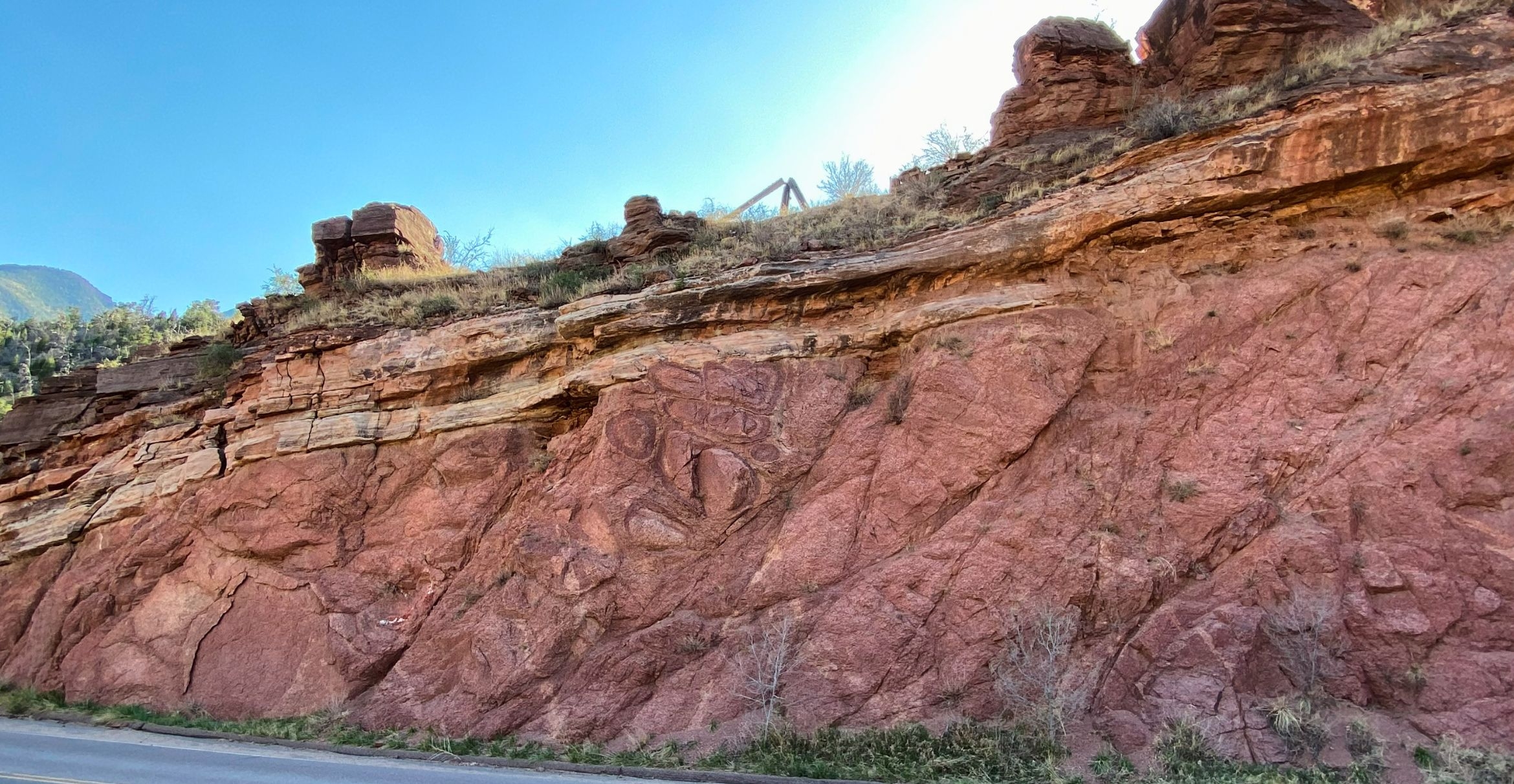
Photo Credit
Adrian Tasistro-Hart
Cambrian Sawatch sandstone from the Sauk Transgression caps 1 billion-year-old Pikes Peak granite (pink) marking the Great Unconformity in a roadcut in Manitou Springs, Colorado.
Image
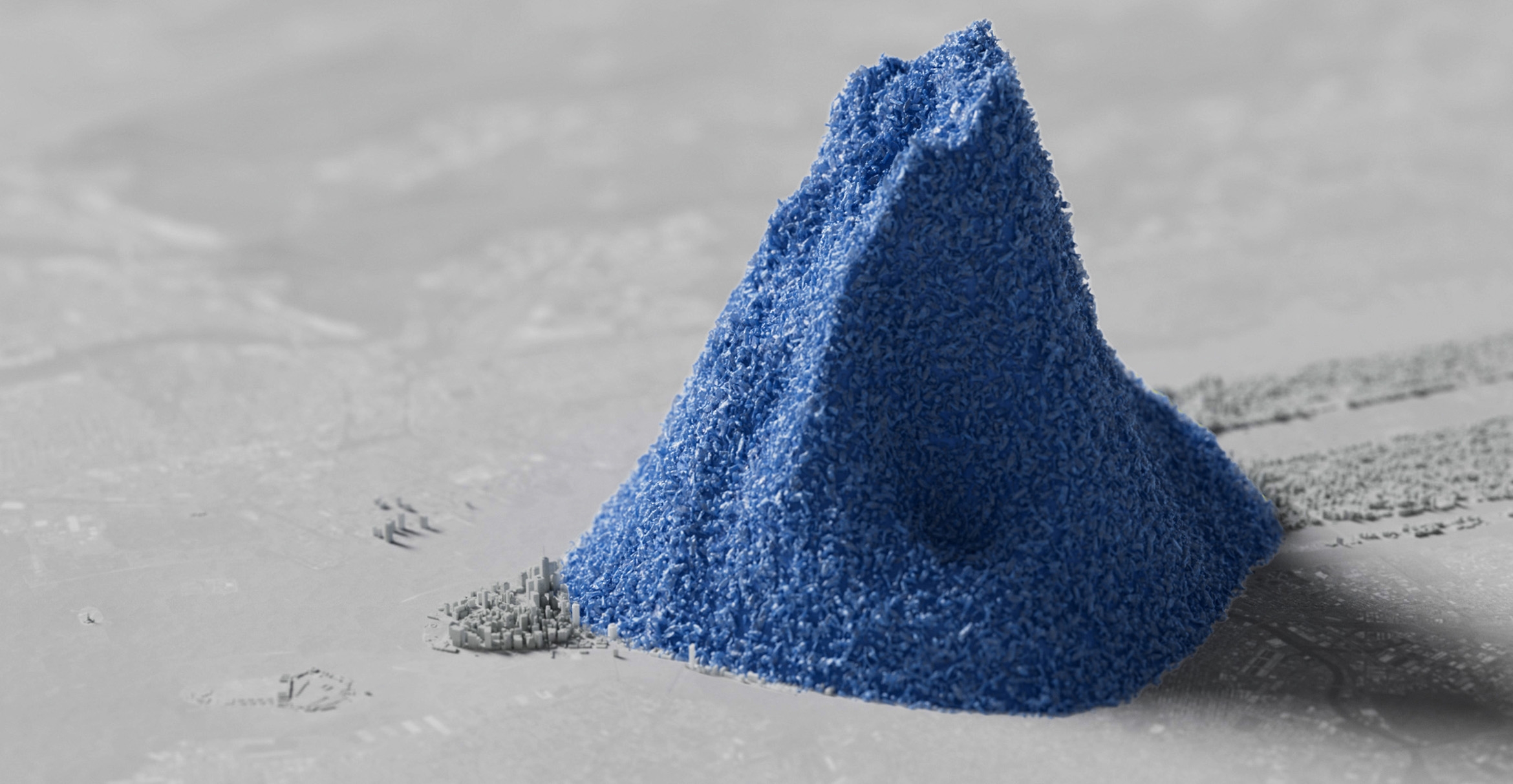
Photo Credit
Courtesy Benioff Ocean Science Laboratory
This image of a blue plastic pile represents the cumulative amount of plastic waste that would be generated between 2010 and 2050 — enough to cover the entire island of Manhattan, and ten times the height of the Empire State Building — under a business-as-usual scenario where no aggressive policy actions are taken.

Image
Photo Credit
Courtesy Image
Image

Photo Credit
An illustration by Midjourney with the prompt: “A computer with clouds of equations and symbols.”
What an artificial intelligence displays on the screen reflects its internal representation of the world, which may be quite different than our own.