What's Current in
Science + Technology
Image

Photo Credit
Matt Perko
Aha! moments in creative contexts such as the arts may be less a verdict than a motivational impetus, according to researchers
‘Aha!’ moments are great for solving problems but less so for creative judgements

Image
Photo Credit
Courtesy
Image
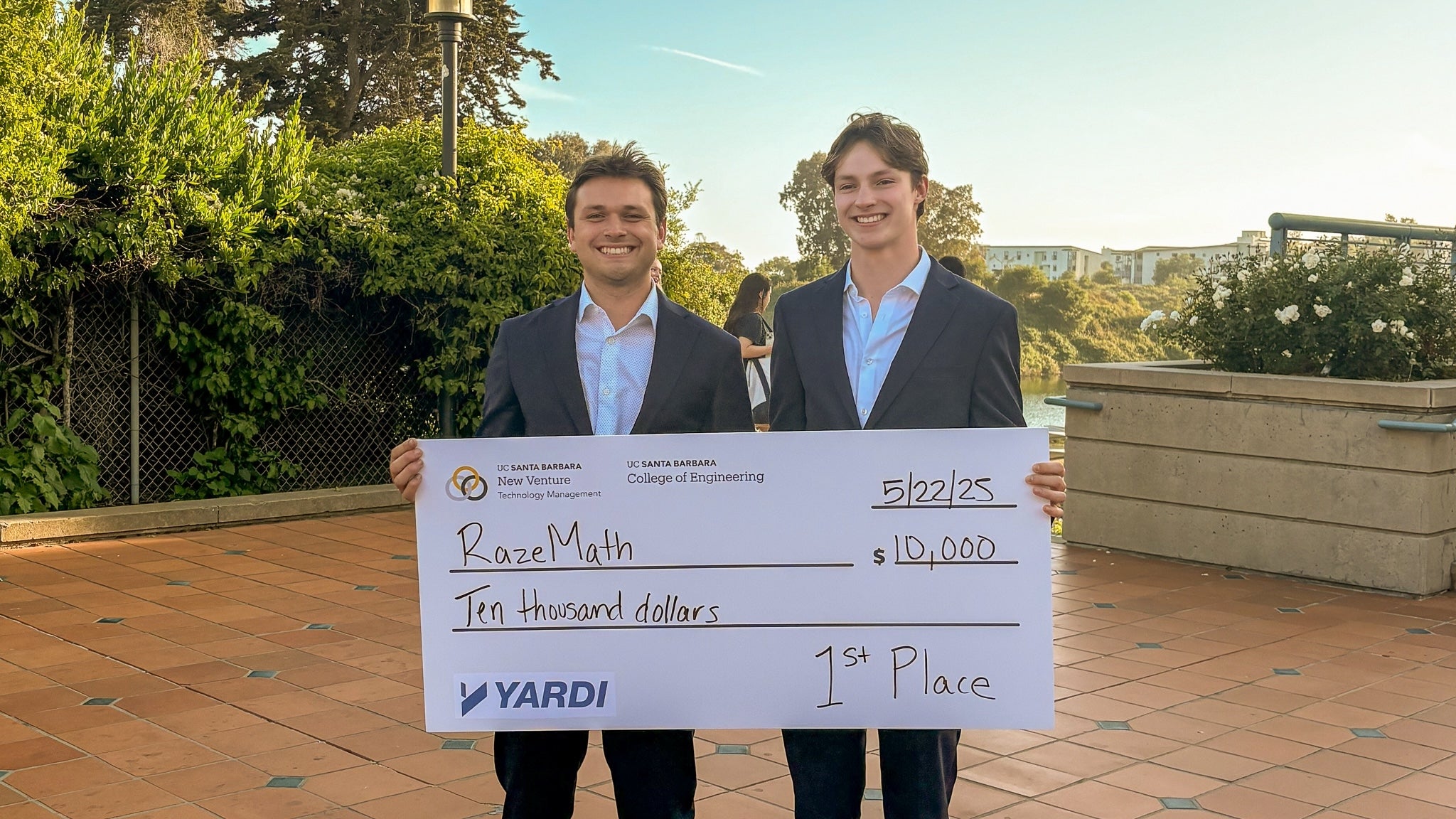
Photo Credit
Courtesy UCSB Engineering
RazeMath is Nico Lehner, left, and Evan McCall, right.
Image

Photo Credit
Matt Perko
Image
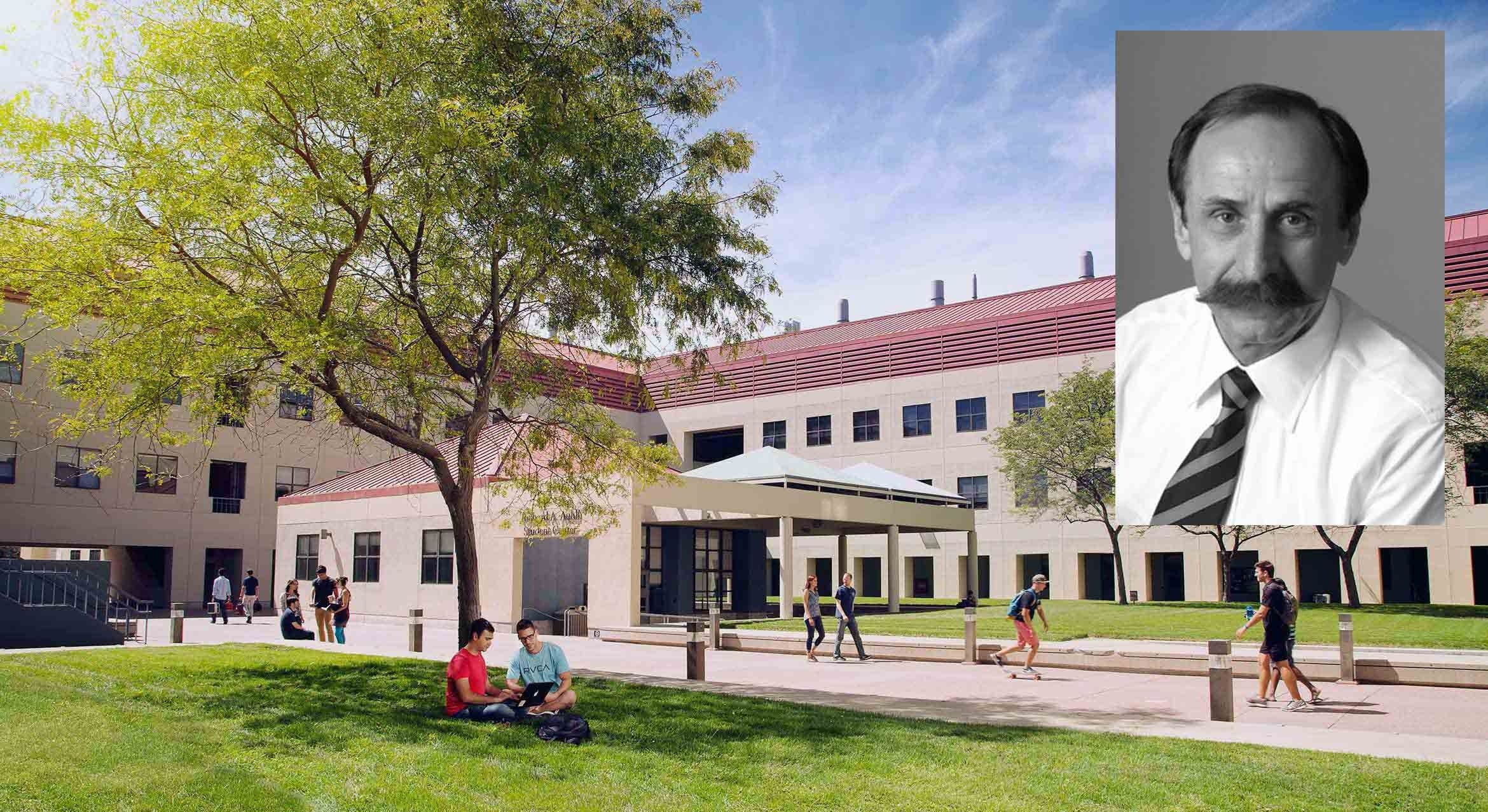
Photo Credit
Matt Perko/ Courtesy image
The courtyard of the Engineering II building complex at UCSB and the former UCSB dean who spearheaded the building project
Image
Photo Credit
Matt Perko
Image
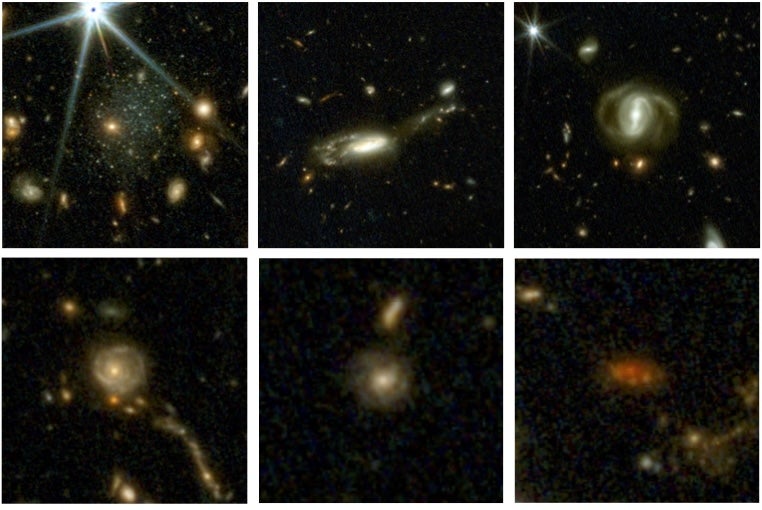
Photo Credit
M. Franco / C. Casey / COSMOS-Web collaboration
Six images of galaxies taken from nearly 800,000, from upper left to lower right: the present-day universe, and 3, 4, 8, 9 and 10 billion years ago
Image

Photo Credit
piyaset via iStock
Warmer air can suck more moisture in dry regions and dump more rain in wet regions. New research reveals that the atmosphere’s drying capacity is outpacing increases to rainfall.
Image
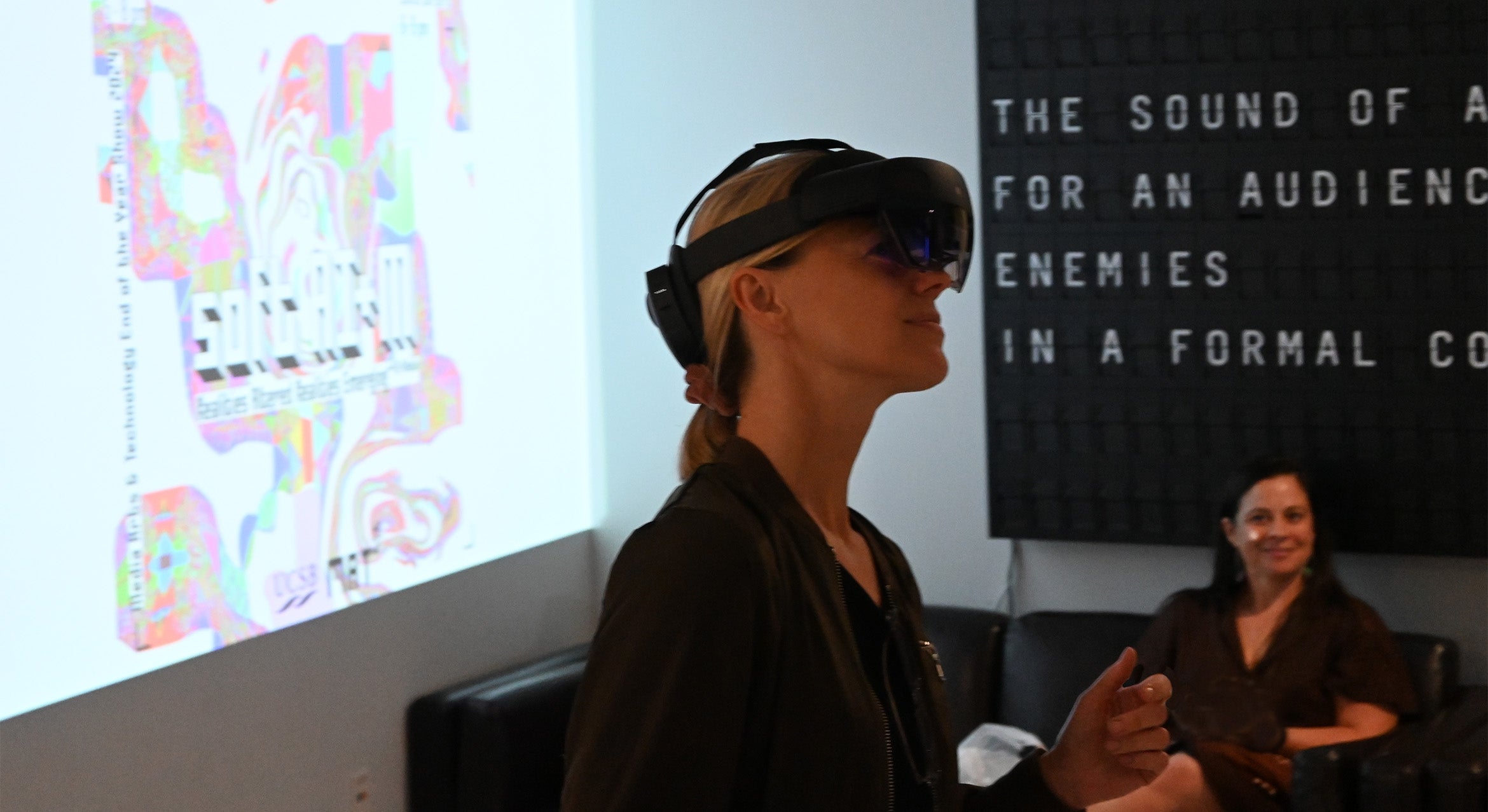
Photo Credit
Yuehao Gao
A visitor experiences virtual reality at a Media Arts & Technology exhibition.
Image

Cargo vessel congestion at the Los Angeles/Long Beach port complex during the COVID pandemic