What's Current in
Physics
Image

Photo Credit
Matt Perko
UCSB researchers to collaborate in three of NSF's Quantum Leap Challenge Institutes
Image
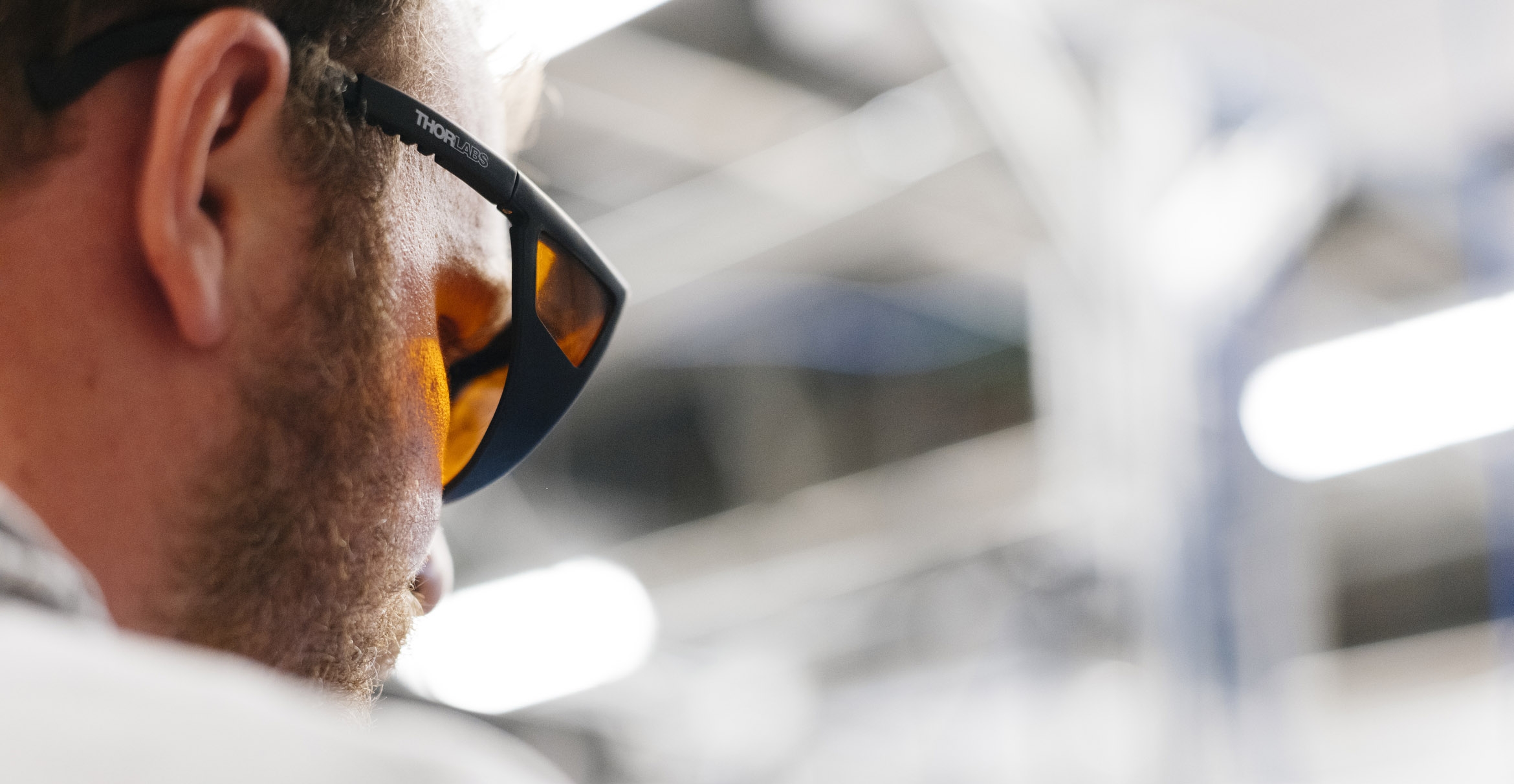
Photo Credit
Elena Zhukova
Image

Photo Credit
Matt Perko
Image
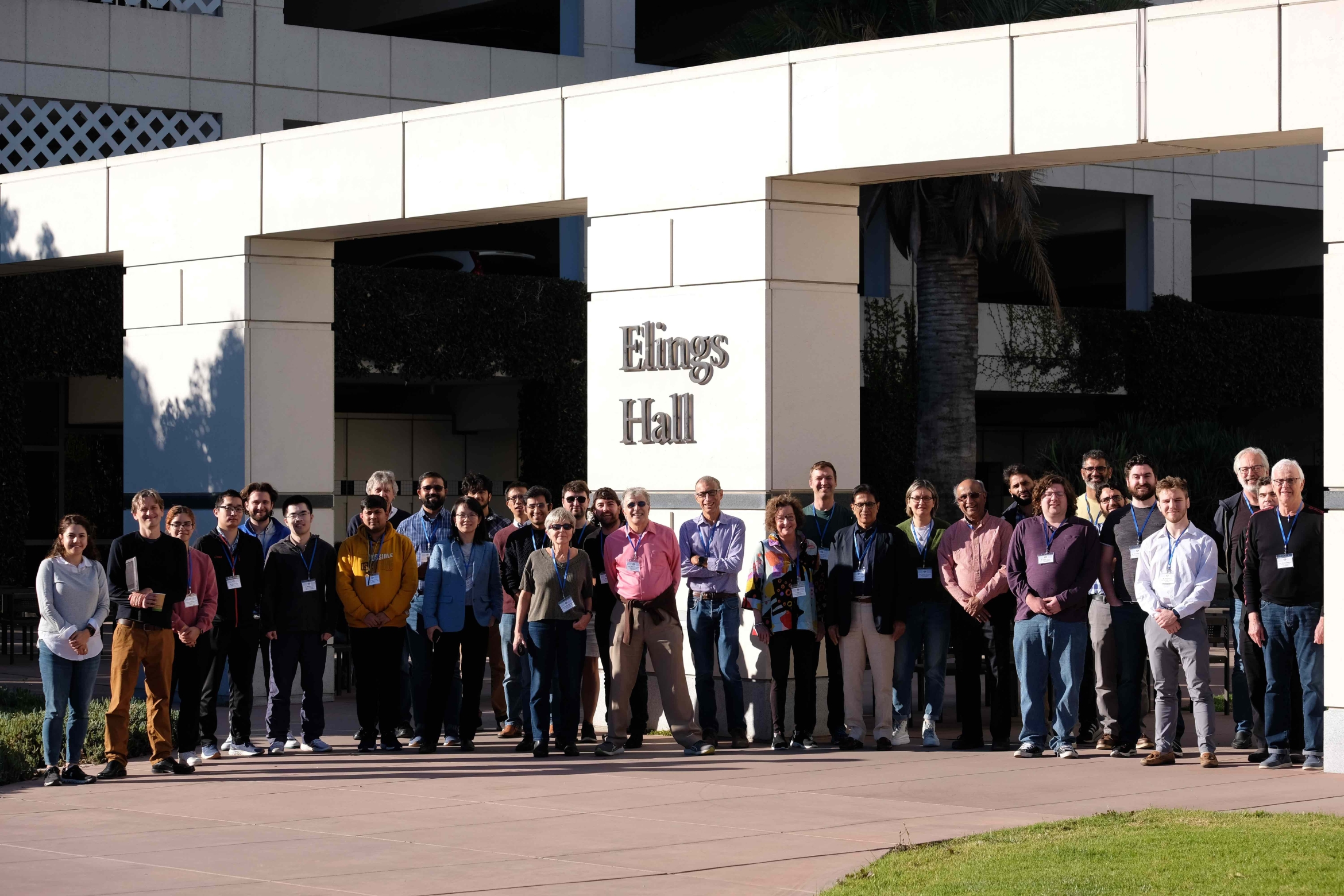
Photo Credit
Kelsey Leonard
Scientists from a broad range of disciplines converged on the UCSB campus for the Institute of Complex and Adaptive Matter's annual Week of Science
Image
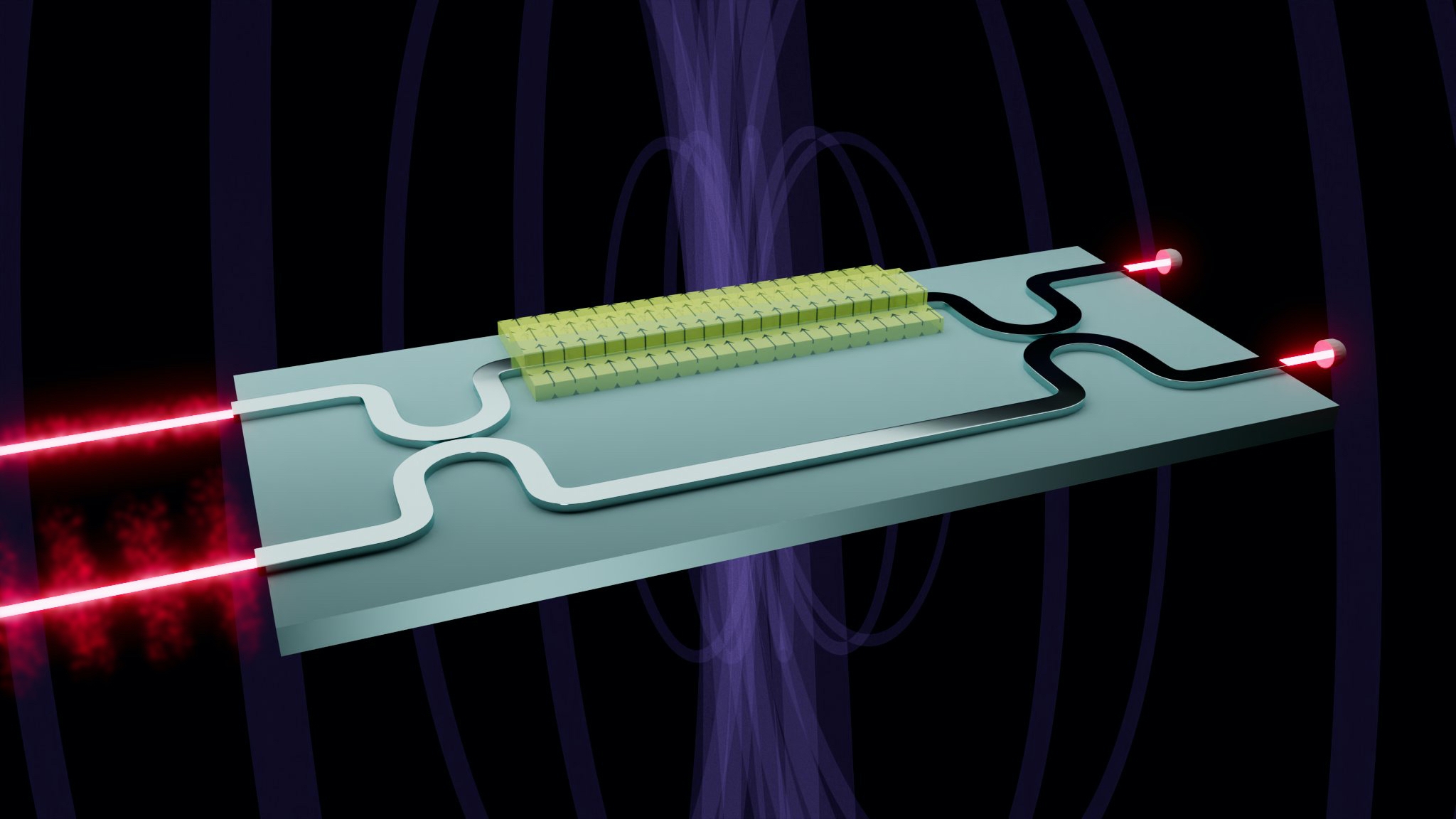
Photo Credit
Brian Long
A quantum magnetometer on a chip
Image
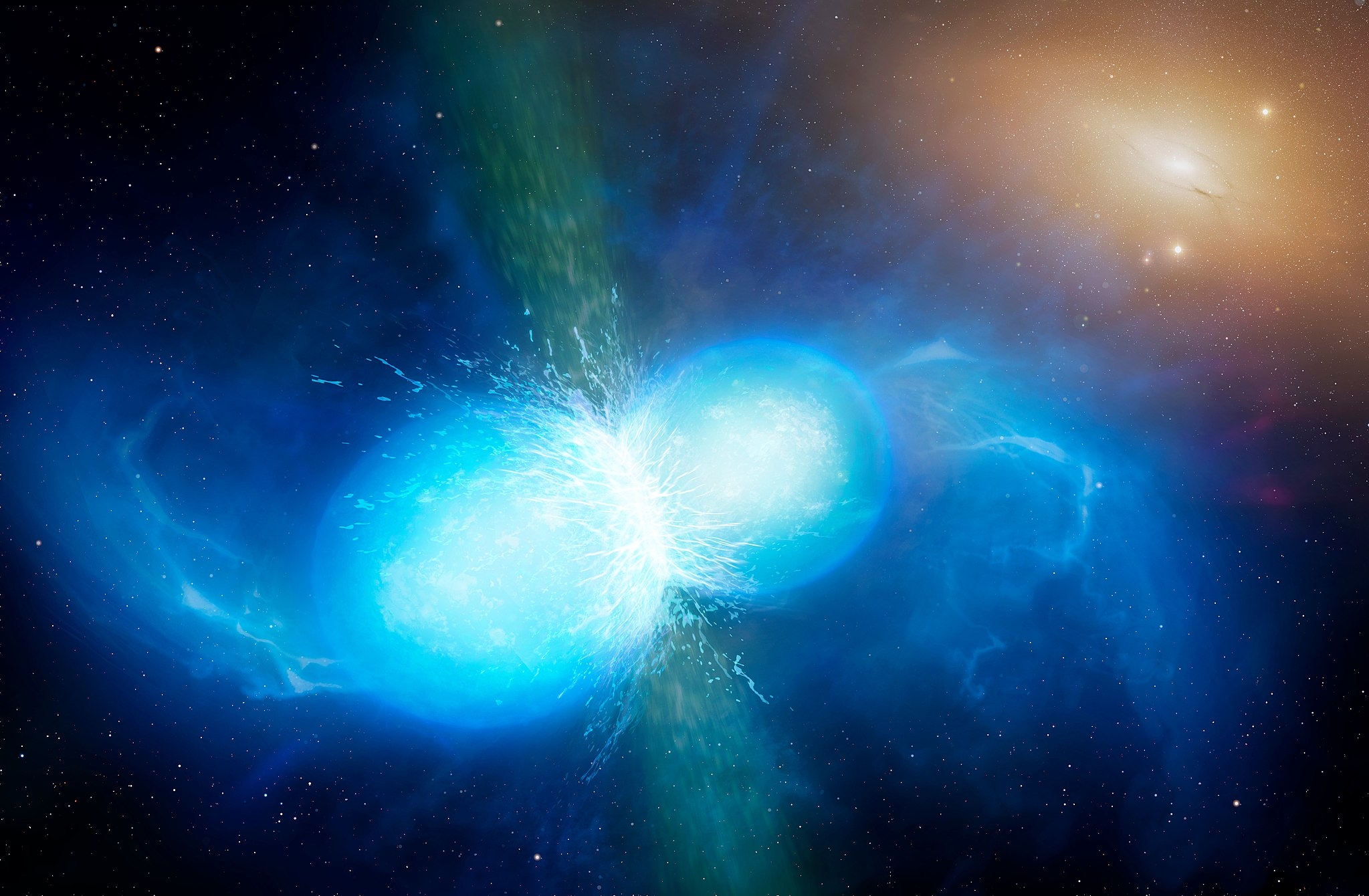
Photo Credit
University of Warwick/Mark Garlick
Multi-messenger astronomy enabled scientists to observe merging neutron stars for the first time in 2017 (artist’s impression).
Image
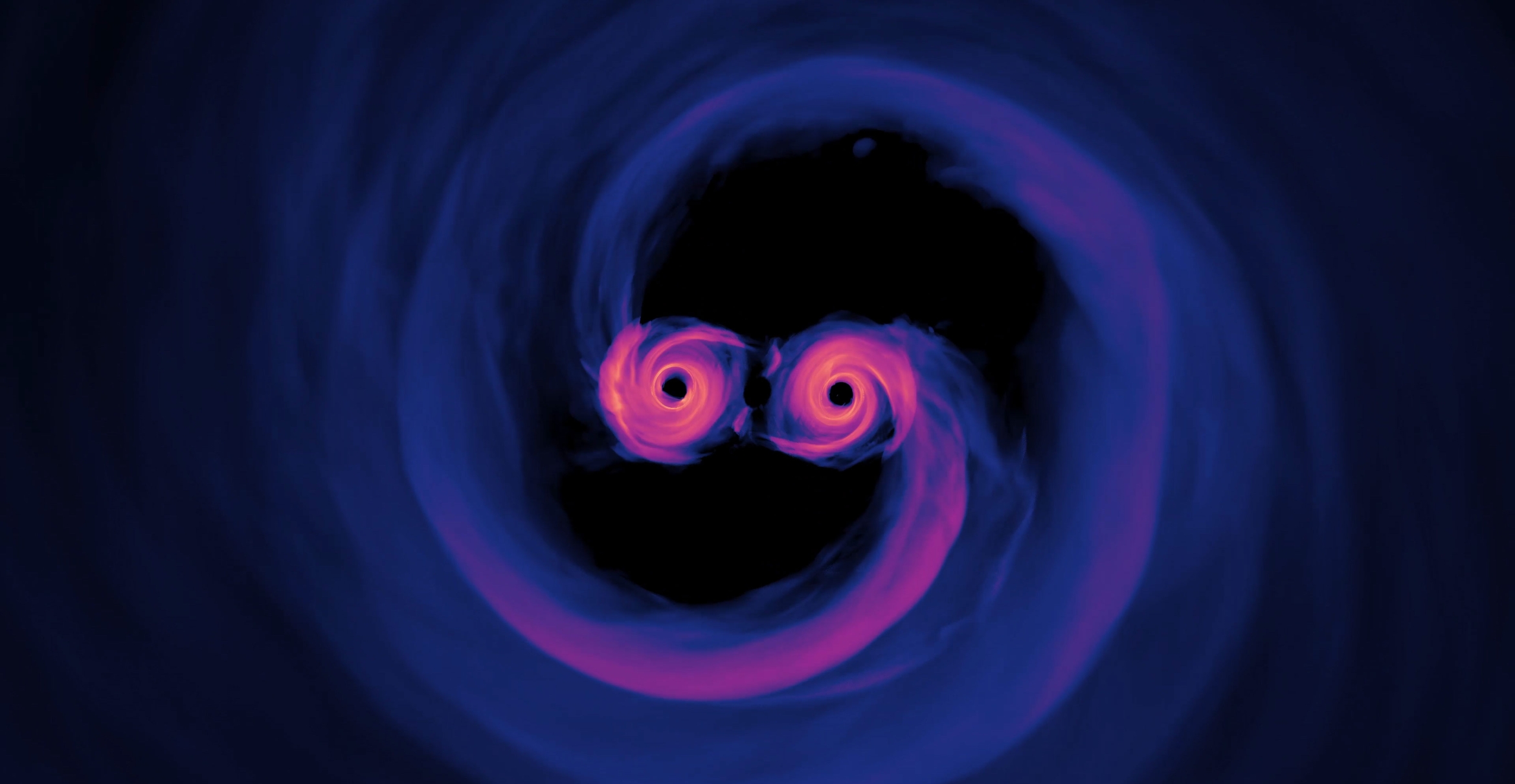
Photo Credit
NASA's Goddard Space Flight Center/Scott Noble; simulation data, d'Ascoli et al. 2018
The gravitational waves emitted by the merger of black holes, when lensed by massive objects as the waves travel toward Earth can be used to calculate the rate at which the universe is expanding
Image
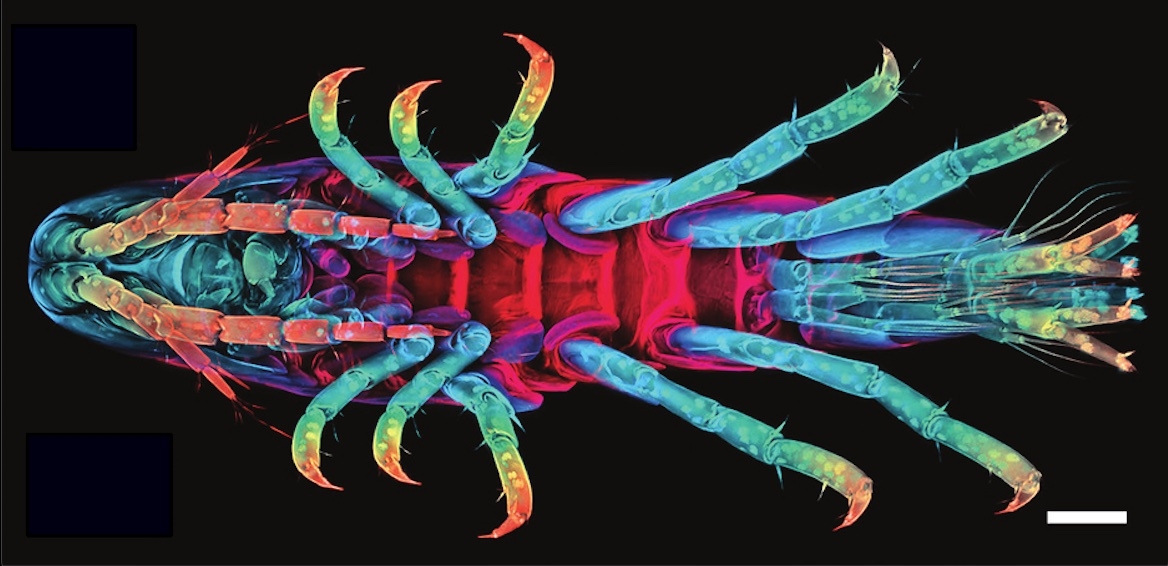
Photo Credit
Damian Kao Alvina G Lai Evangelia Stamataki Silvana Rosic Nikolaos Konstantinides Erin Jarvis Alessia Di Donfrancesco Natalia Pouchkina-Stancheva Marie Sémon Marco Grillo Heather Bruce Suyash Kumar Igor Siwanowicz Andy Le Andrew Lemire Michael B Eisen Cas
The genome of the crustacean Parhyale hawaiensis, a model for animal development, regeneration, immunity and lignocellulose digestion. VijayRaghavan K, ed. eLife. 2016;5:e20062. doi:10.7554/eLife.20062.
Image
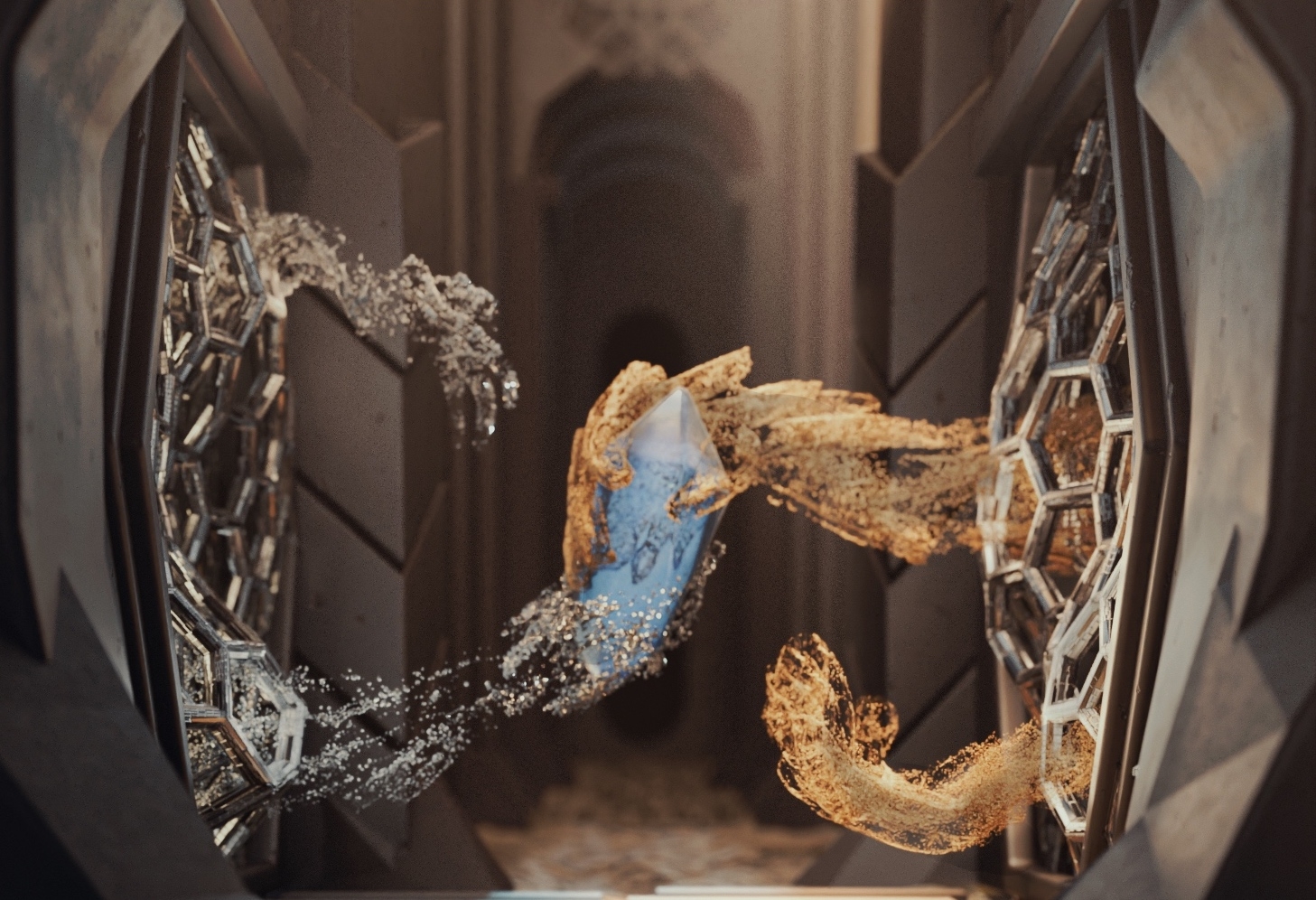
Photo Credit
sci-fig (https://sci-fig.com)
The negative electrons from one lattice and the positive "holes" from another together create a neutral exciton crystal