What's Current in
Science + Technology
Image

Photo Credit
Matt Perko
Aha! moments in creative contexts such as the arts may be less a verdict than a motivational impetus, according to researchers
‘Aha!’ moments are great for solving problems but less so for creative judgements
Image

Photo Credit
Matt Perko
Doctoral researcher Roark Chao in UCSB's Solid State Lighting and Energy Electronics Center laboratory
Image

Photo Credit
Matt Perko
Nina Miolane, seated, and Haewon Jeong, standing, are co-directors, with colleague Yao Qin, of the Real AI initiative launched at UCSB in 2026.
Image

Photo Credit
Liveslow via iStock
With ever more ocean data available to researchers and resource managers, the task of finding and organizing it has become a task in its own right.
Image

Photo Credit
iStock
Image

Photo Credit
Photo by Daniel Lerman on Unsplash
Strong storms and higher seas from El Niño exacerbate winter hazards in Southern California.
Image

Photo Credit
istock
Image

Photo Credit
Courtney Reed
An elephant transforms the spot where it dies, with a legacy that lasts long after the body is gone and the bones are scattered.
Image

Photo Credit
Matt Perko
Image

Photo Credit
MaYcaL via iStock
Synthetic fertilizer has increased the amount of nitrogen compounds in the biosphere, compounds that must be converted by microbes back into nitrogen gas.
Image
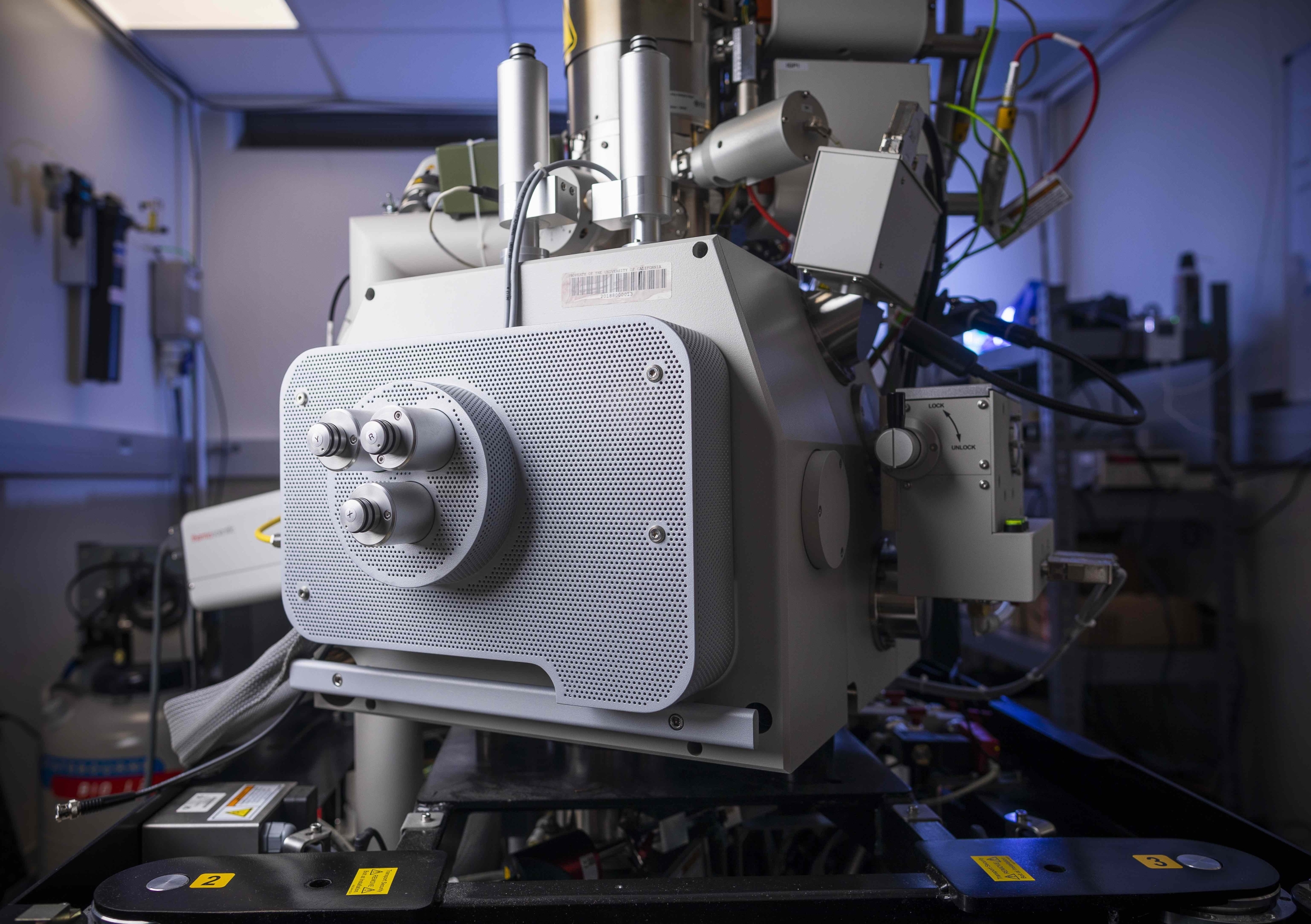
Photo Credit
Matt Perko
The scanning ultrafast electron microscope in the Bolin Liao lab
Image

Photo Credit
Matt Perko
Distinguished Professor John Bowers
Image

Photo Credit
Matt Perko