What's Current in
Science + Technology
Image
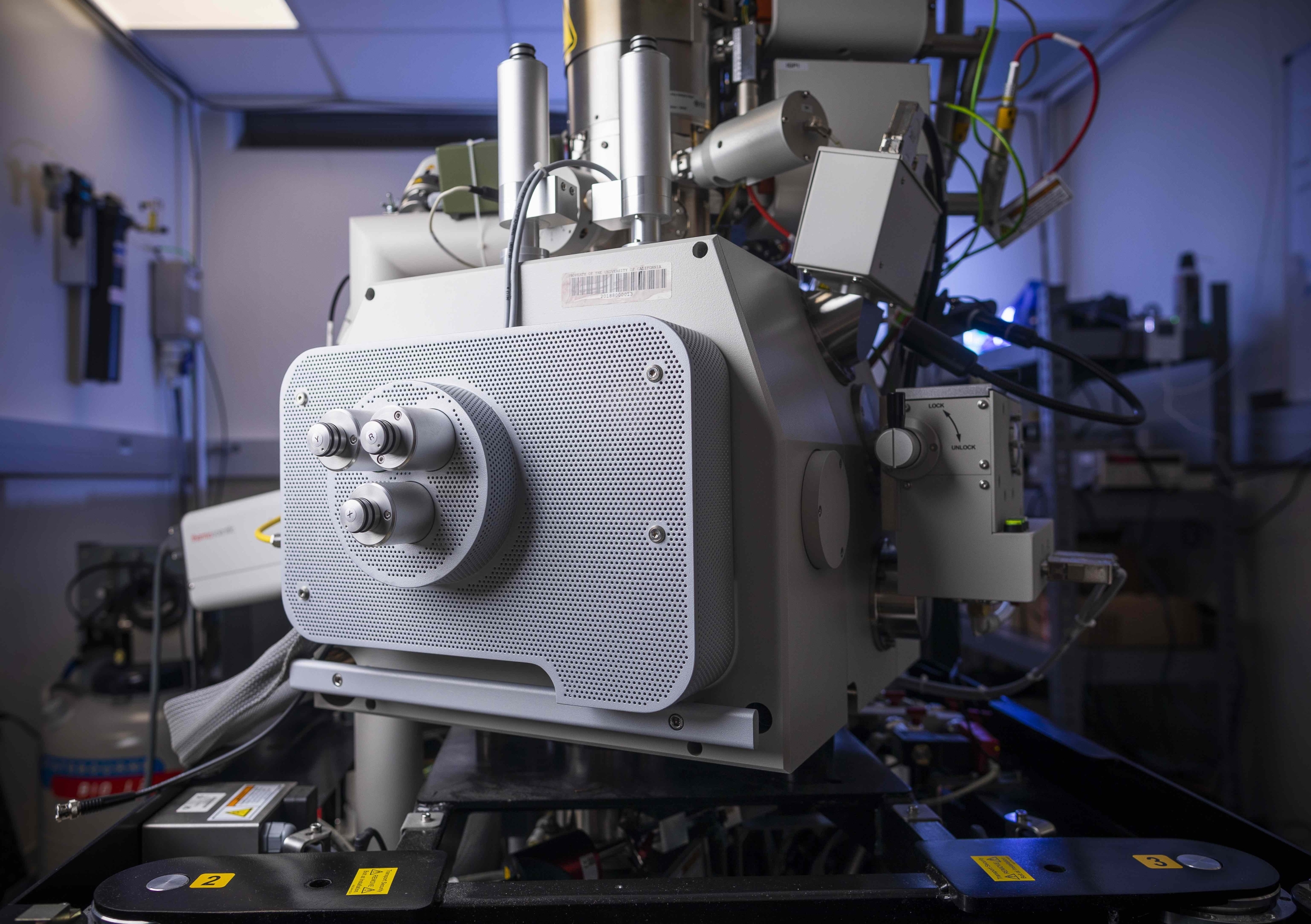
Photo Credit
Matt Perko
The scanning ultrafast electron microscope in the Bolin Liao lab
Image

Photo Credit
Matt Perko
Distinguished Professor John Bowers
Image

Photo Credit
Matt Perko
Image

Photo Credit
Matt Perko
Danyi Zhang, left, and Tamas Vami
Image

Photo Credit
Courtesy Image
Megalorchestia corniculata, one of six major species of sand hoppers in California
Image

Photo Credit
courtesy
UC Santa Barbara vision scientist Miguel Eckstein (left) and computer scientist Arpit Gupta will discuss AI as a research tool
Image

Photo Credit
Courtesy
UCSB Professor Haewon Jeong's PhD student Neel Sankaran (left) with Lawrence Livermore National Laboratory scientist Min Sang Cho (right).
Image

Photo Credit
iStock
Image

Photo Credit
Matt Perko
Iris Holzer's expertise in enhanced rock weathering and soil carbon storage makes her a shoe-in to help lead the IPCC methodology report.
Image

Photo Credit
Matthew Kapust/Sanford Underground Research Facility
The LUX-ZEPLIN main detector in a surface lab before installation underground.
Image

Photo Credit
Matt Perko
Undergraduate Collin Vergel de Dios inoculates a culture to purify optogenetic proteins under the guidance of graduate student Alex Maynard.
Image

Photo Credit
NOAA Satellites
Sea surface temperatures in the tropical Pacific Ocean were already far higher than average by the first week of June 2026 due to El Niño.
Image

Photo Credit
iStock
Glioblastoma tumors are aggressive and difficult to access for treatment